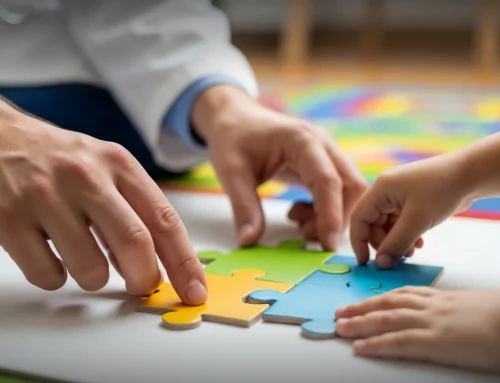
In today’s world, understanding and supporting children with autism is more important than ever. Applied Behavior Therapy (ABA) has emerged as a powerful tool in this domain. This treatment method is particularly valuable in places like New York, where diverse and tailored support systems are essential for widespread communities. In this blog post, we’ll explore how applied behavior therapy empowers children with autism to build essential skills and develop confidence, especially within the bustling environment of New York, where diverse and tailored support systems are essential for widespread communities. Organizations like All Together ABA help families access personalized therapy services designed to strengthen communication, social interaction, and independent living skills.
What is Applied Behavior Therapy?
Applied Behavior Therapy, commonly referred to as ABA, is a scientific approach that applies principles of learning theory to improve socially significant behaviors. This therapy is grounded in the idea that behavior can be influenced and modified by changes in the environment and through reinforcement strategies. It has shown tremendous success in helping children with Autism Spectrum Disorder (ASD) develop vital skills and gain self-assurance.
Key Components of ABA Therapy
ABA therapy involves several key components, each contributing to the effective empowerment of children with autism:
1. Individualized Programs: In New York, where applied behavior therapy in NY practitioners face diverse needs, ABA therapy is personalized to address the unique challenges and strengths of each child. Customized programs ensure that therapy is meaningful and directly applicable to everyday situations.
2. Positive Reinforcement: This is foundational in ABA practice. Positive reinforcement involves rewarding desired behaviors to increase the likelihood of their recurrence. Children learn to associate good behavior with positive outcomes, motivating them to engage more effectively in various activities.
3. Data and Progress Monitoring: Continuous data collection and analysis allow therapists to track progress and make necessary adjustments. By keeping detailed records, practitioners can identify which strategies are most effective and refine their approaches for better results.
How ABA Therapy Builds Skills
ABA therapy focuses on a wide range of skills, crucial for the development of children with autism:
- Communication and Language Skills: Many children with ASD face challenges in verbal and non-verbal communication. ABA therapy employs techniques that encourage language acquisition and comprehension, enabling children to express themselves better and interact more openly with peers and adults.
- Social Skills Development: Applied behavior therapy in NY programs often emphasizes social skills, helping children learn how to take turns, maintain eye contact, and understand social cues. These skills are vital for forming relationships and integrating into group settings.
- Self-Care and Daily Living Skills: By breaking down tasks into manageable steps, ABA helps children learn essential daily living skills such as dressing, brushing teeth, and using the bathroom independently. This fosters a sense of autonomy and self-efficacy.
Enhancing Confidence Through ABA
ABA therapy significantly contributes to boosting confidence in children with autism. When children can effectively communicate, form friendships, and perform daily tasks independently, they gain a sense of achievement and self-worth. The continuous support and reinforcement from applied behavior therapy in NY practitioners provide children with the encouragement they need to tackle new challenges confidently.
Finding the Right ABA Services in New York
Choosing the right provider for applied behavior therapy in NY is crucial for successful outcomes. Families seeking ABA services in New York should consider the following tips:
- Research Credentials: Ensure that therapists are licensed and certified in ABA practices. Reputable organizations typically employ well-trained professionals with a deep understanding of autism and treatment strategies.
- Customization and Flexibility: Look for agencies that offer tailored programs and demonstrate flexibility in their methods to cater to your child’s unique needs.
- Family Involvement: Effective ABA therapy often involves the family in the learning process. A supportive provider will work collaboratively with parents, offering insights and strategies to reinforce learning at home.
By investing in the right applied behavior therapy in NY services, families can help their children build critical skills and the confidence needed to thrive. In New York, with its vast resources and expert practitioners, parents have the opportunity to make informed choices to ensure their child receives the best possible support.
In conclusion, Applied Behavior Therapy not only develops essential skills in children with autism but also enhances their confidence to navigate the world. When tailored to fit the child’s needs, this therapy unlocks potential and opens doors to a more inclusive and empowered life. Providers like All Together ABA continue helping families access compassionate, structured support that encourages long-term growth and independence.