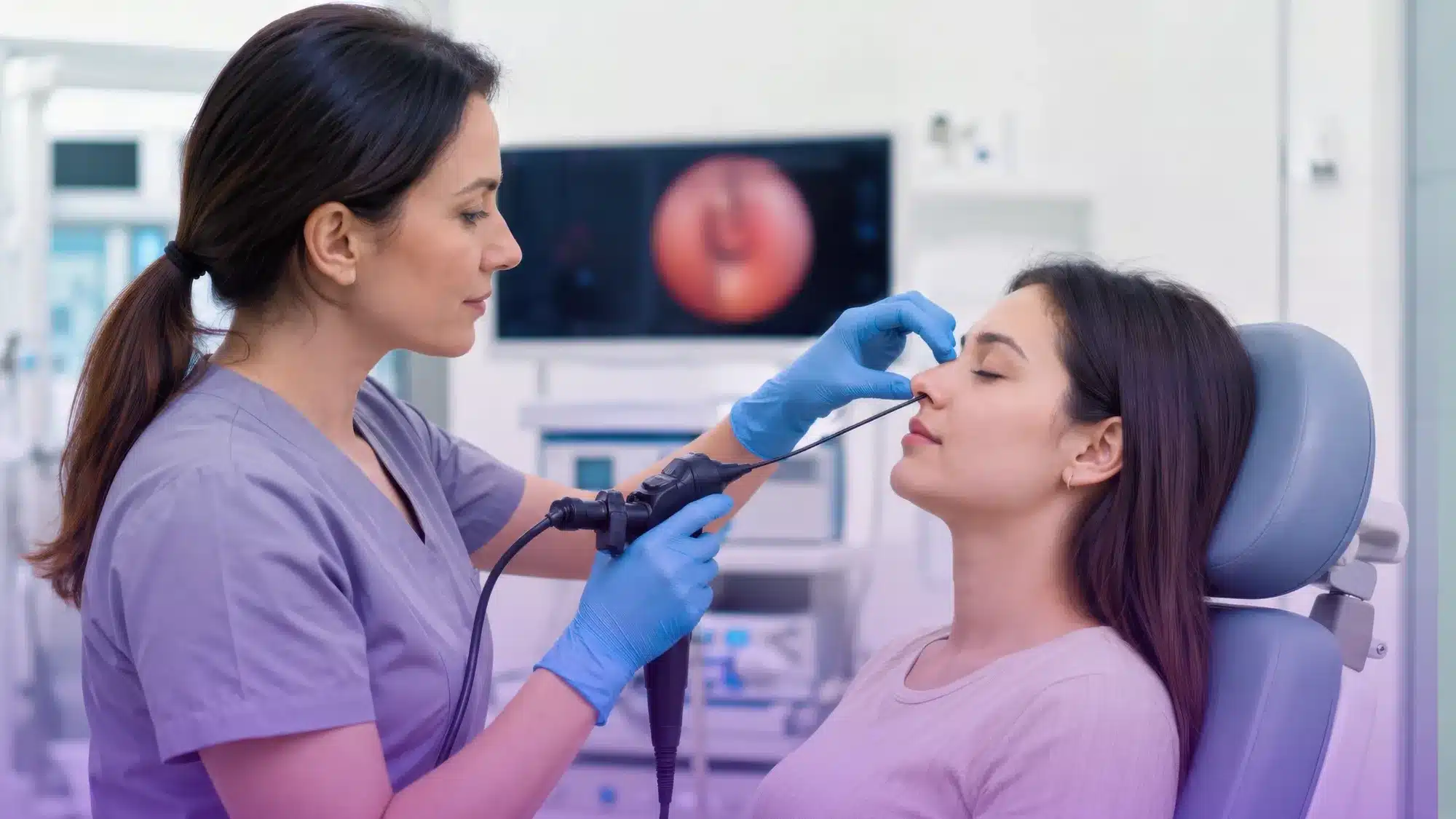
A blocked nose that keeps returning can affect sleep, concentration, and daily comfort. When symptoms continue despite initial care, a closer examination may help clarify the next step. People searching for “nasal endoscopic treatment near me” may be looking for answers, but diagnostic nasal endoscopy is an examination rather than a treatment by itself. Asif Rafi, MD, offers this assessment at his Los Angeles allergy and sinus practice.
When a Closer Look May Be Helpful
Nasal congestion can come from several conditions, including allergies, inflammation, or structural problems. Allergic rhinitis may cause sneezing, itching, and a runny nose. Chronic sinusitis may involve ongoing blockage, facial pressure, drainage, or a reduced sense of smell.
A clinician considers the duration and pattern of symptoms before recommending an examination. Nasal endoscopy is not necessary for every stuffy nose, but it can add information when a routine examination does not explain the problem.
What Doctors Can See During Nasal Endoscopy
A thin, lighted instrument with a camera allows the clinician to examine areas inside the nasal passages that are difficult to see otherwise. It can help assess the septum, swollen tissue, nasal polyps, drainage, and the openings where the sinuses drain.
The test does not show every part of the sinus cavities. When additional detail is needed, the clinician may consider imaging or other investigations. Dr. Rafi’s respiratory care services address conditions that sometimes share similar symptoms.
What Happens During the Examination
The appointment begins with a review of your symptoms, medical history, and medicines. If endoscopy is appropriate, the clinician may apply a decongestant or numbing spray before gently passing the scope through the nose.
The examination often takes only a few minutes, although the full appointment is longer. You may feel pressure or an urge to sneeze. Tell the clinician if you feel uncomfortable. Mild irritation or a small nosebleed can occur afterward.
Mention blood-thinning medicines or bleeding disorders beforehand. Do not stop prescribed medicine unless your healthcare professional instructs you to do so.
How Findings Guide the Next Step
The results may support a plan involving nasal medicines, allergy management, monitoring, or further testing. If polyps, unusual drainage, or a structural concern are seen, additional evaluation may be appropriate.
Some patients benefit from discussing allergy testing options when their history suggests an allergic trigger. Others may need imaging or referral to another specialist. A search for “nasal endoscopic treatment near me” should not be taken to mean surgery or a particular procedure is automatically required.
Prepare Useful Questions for Your Visit
Before the appointment, note how long symptoms have lasted, which side feels blocked, and what treatments you have tried. Bring relevant records and ask:
- What might be causing the recurring congestion?
- What will the examination help confirm or rule out?
- Will additional tests be needed before treatment?
- When should symptoms or results be reviewed again?
Patients can learn about Dr. Rafi’s background before arranging an evaluation.
Frequently Asked Questions
What is nasal endoscopy?
It is an examination using a thin scope to view the nasal passages and sinus drainage openings.
How long does the procedure take?
The examination itself usually takes a few minutes. Allow additional time for consultation and preparation.
Is nasal endoscopy painful?
Most people experience pressure or mild discomfort rather than significant pain. Numbing spray may be used.
Who should consider nasal endoscopy?
People with persistent blockage, recurring sinus concerns, unexplained drainage, or reduced smell may be evaluated for the test.
Ask About a Sinus Evaluation in Los Angeles
For symptoms that keep returning, contact Asif Rafi, MD to discuss an appointment. A careful history and appropriate examination can help guide treatment decisions without unnecessary assumptions.