Starting preschool brings new routines, friendships, and small responsibilities. Children do not need to master everything before their first day. Short, playful activities at home can help them feel comfortable trying new tasks.
Families considering preschool in Groton, CT, can practice skills that match everyday classroom experiences. At Precious Memories Preschool of Sandy Hollow, located in Mystic and serving the Groton area, our program includes circle time, creative activities, outdoor play, stories, and rest.
Practice Getting Ready Without Rushing
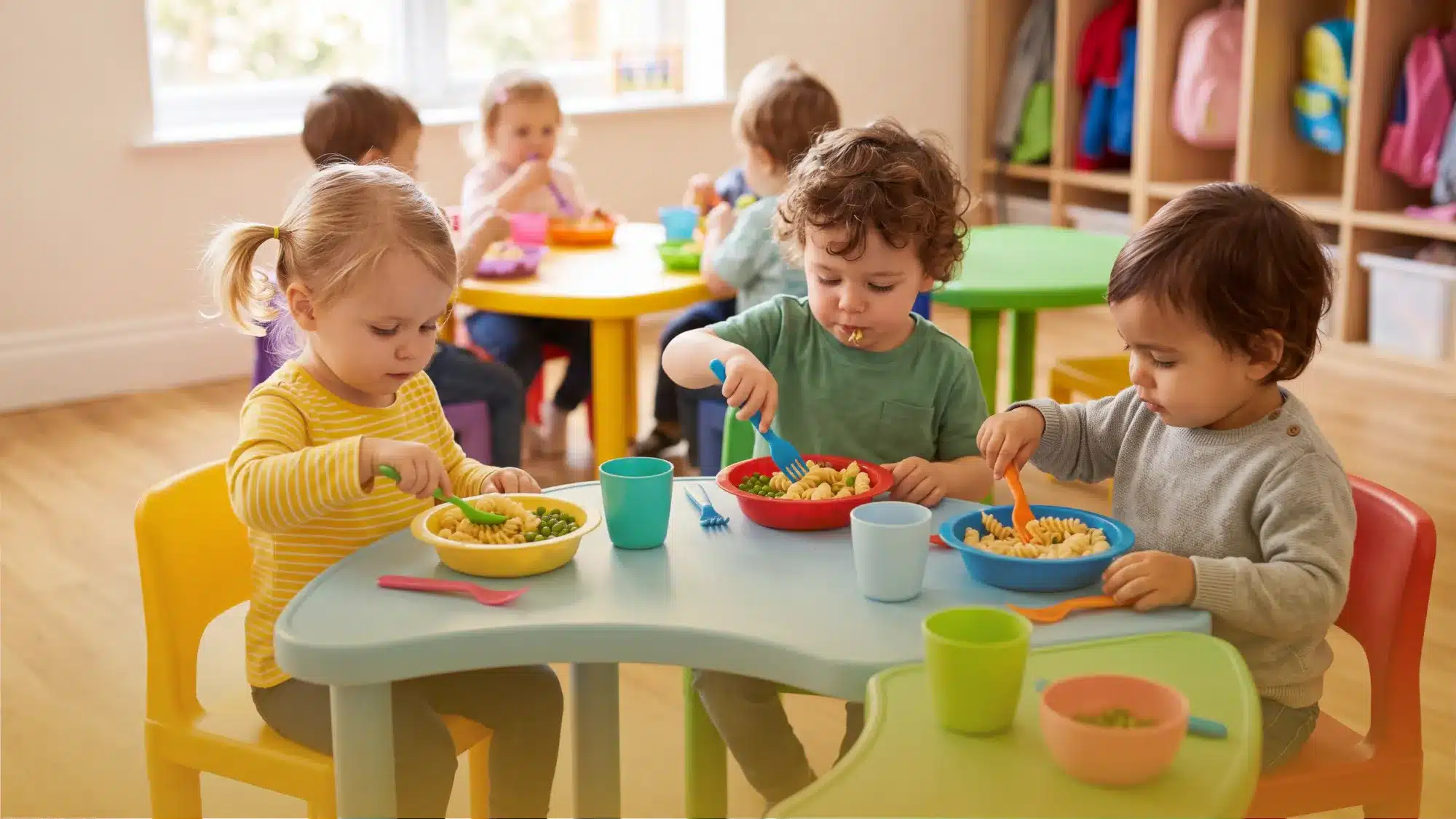
Choose one self-help task your child can try each morning. Start with putting on shoes, hanging up a jacket, or opening a lunch container. Demonstrate the task, then offer time to practice.
A simple picture checklist can help:
- Put shoes near the door.
- Place a sweater in a backpack.
- Wash hands before eating.
- Put toys away after play.
Praise effort rather than demanding perfection. Children develop skills at different rates, and teachers can support needs that are still emerging.
Our Toddler and Intro to Preschool Program introduces self-help skills, listening, and simple classroom routines.
Make Taking Turns a Game
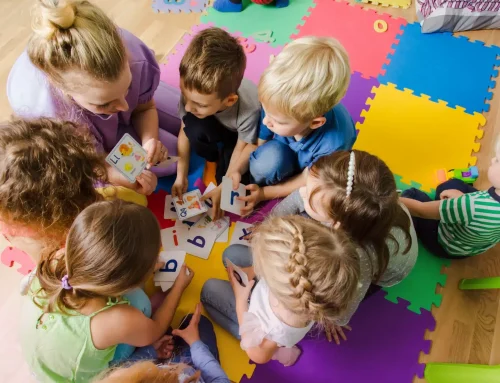
Children learn to cooperate by practicing with familiar people. Try rolling a ball back and forth, sharing building blocks, or choosing turns during a simple board game.
Use clear phrases such as “My turn” and “Your turn.” If your child becomes frustrated, name the feeling and model how to ask for help.
Playdates can offer additional practice, but brief interactions with siblings or adults are useful too.
Rehearse a Predictable Daily Routine
Preschool often includes transitions between active play, snacks, group activities, and rest. Create a flexible home rhythm with regular wake-up, meal, and bedtime routines.
Practice a two-minute cleanup before switching activities. A song or visual timer can make the change easier to understand.
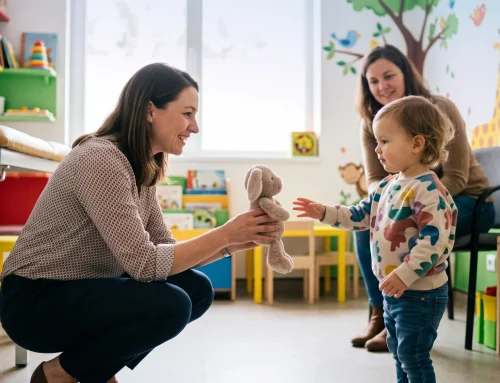
If separation feels difficult, practice a short goodbye when leaving your child with a trusted caregiver. Explain when you will return in words your child understands, then follow through consistently. Avoid promising that every first day will feel easy; adjustment takes time.
Our published preschool transition tips explain how visits, goodbye rituals, and communication with teachers may help children adjust.
Build Hand Skills Through Art
Offer thick crayons, washable paint, stickers, or large pieces of paper. Invite your child to draw their family, peel stickers, or tear paper for a collage.
Use child-safe scissors only with close adult supervision and when developmentally appropriate. These activities support hand coordination without turning home play into formal lessons.
Our Pre-Kindergarten Program builds on early learning through art, stories, problem-solving, and classroom activities.
Make Story Time Interactive
Read together for ten minutes when possible. Pause to ask what a character feels or what might happen next. Encourage your child to point, answer, or retell part of the story.
Visit our program overview to learn how activities and routines change as children grow.
Frequently Asked Questions
How can I help my child adjust to preschool?
Practice routines, read stories about school, and discuss what will happen at drop-off. Ask teachers about transition support.
What are key independence skills for preschool?
Handwashing, putting away belongings, asking for help, and trying simple dressing tasks are useful starting points.
How often should my child interact with peers before starting preschool?
There is no fixed schedule. Regular, positive chances to play and communicate are more important than lengthy playdates.
Why are routines important for preschool preparation?
Predictable activities help children understand what comes next and practice moving between tasks.
Explore Preschool with Precious Memories
Preparing for preschool in Groton, CT, can begin with small daily wins. Contact Precious Memories Preschool of Sandy Hollow to ask about its Mystic location, preschool activities, and enrollment visits.