A private well supplies water for everyday needs, but winter can expose weaknesses in its pipes, pressure controls, and aboveground equipment. For Somers, Connecticut, homeowners, a November check offers time to address problems before freezing weather arrives.
Martin Plumbing LLC provides well pump service in Somers, CT, including help with pump performance and repair concerns. Start by identifying which system parts may need attention.
Identify What Cold Weather Can Affect
Many submersible well pumps sit below the frost line, so the pump itself is not necessarily the part most exposed to freezing. Vulnerable areas may include shallow supply piping, an unheated pump enclosure, or pipes passing through a cold basement or crawlspace.
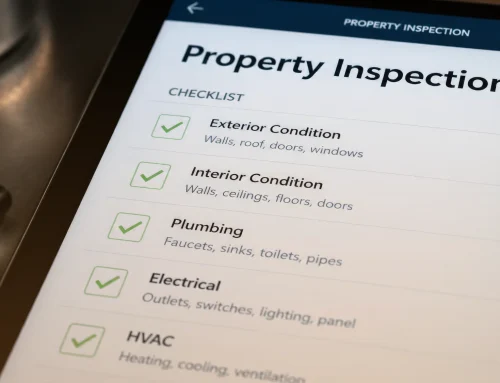
Walk around accessible areas and look for:
- Exposed pipes: Unprotected lines near foundation walls or drafty spaces
- Damaged insulation: Missing wrapping or gaps around pipe penetrations
- Moisture: Drips, damp soil, or pooling near visible connections
- Equipment exposure: Pump controls or enclosures vulnerable to wind and precipitation
Review Martin Plumbing’s guide to protecting well pump equipment before choosing a cover. Any enclosure must suit the equipment and allow necessary access and ventilation.
Check Pressure and Listen for Changes
Water pressure is a useful indicator of system performance. A faucet that suddenly slows, a pump that cycles repeatedly, or unusual clicking may point to pressure-tank, switch, piping, or pump problems.
Martin Plumbing offers well pump repair and system testing, including evaluations of pump functionality and electrical connections. Leave pressure-switch adjustments, wiring, and pump removal to qualified professionals. These components can present electrical and pressure hazards.
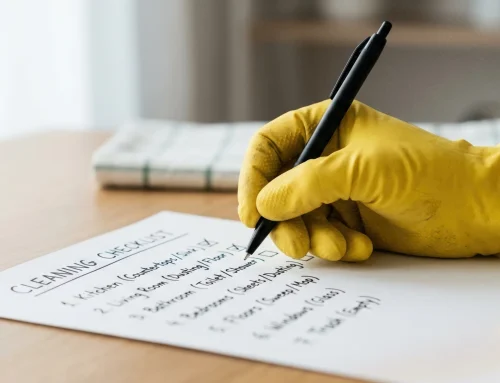
Make a Practical Winter Checklist
- Inspect visible plumbing. Look for deteriorating insulation and leaks without opening electrical equipment.
- Protect vulnerable lines. Ask a professional which exposed sections need approved insulation or other freeze protection.
- Record pressure concerns. Note changes in flow, cycling, or pump sounds before arranging service.
- Review water quality. If water becomes cloudy or changes odor, arrange appropriate well water testing rather than assuming the pump caused contamination.
- Prepare contact information. Keep a repair provider’s phone number accessible if water stops unexpectedly.
A professional visit may identify repairs worth completing before snow and frozen ground make access more difficult. Maintenance can support reliability, although it cannot guarantee that a system will never fail.
Know When to Request Help
Low pressure, sputtering faucets, grinding sounds, or unusually frequent pump operation deserve investigation. Discolored water may involve sediment or water-quality issues, not necessarily a failed pump.
If no water reaches the house, consult this guide to common causes of lost well water for general context. Avoid repeatedly resetting breakers or working on energized controls. For background on the provider, review Martin Plumbing’s experience.
Frequently Asked Questions
How often should well pump service be scheduled?
An annual review can be useful, but follow equipment guidance and arrange service sooner for pressure changes, noises, or loss of water.
Can I winterize my well system myself?
You can inspect accessible pipes and insulation. Have a professional handle electrical work, pressure controls, and repairs to the pump or well.
What if my well pump freezes?
Stop using the affected system, shut off power if it is safe, and contact a professional. Never apply an open flame or attempt unsafe thawing.
How do I know if my pump needs repair?
Persistent low pressure, unusual cycling, noises, or interrupted water supply may signal trouble. Testing is needed to identify the cause.
Prepare Your Somers Well Before Winter
For dependable planning, ask Martin Plumbing LLC about well pump service in Somers, CT. Contact Martin Plumbing & Well Pump Service to discuss symptoms, request an estimate, or arrange an evaluation before colder weather complicates repairs.