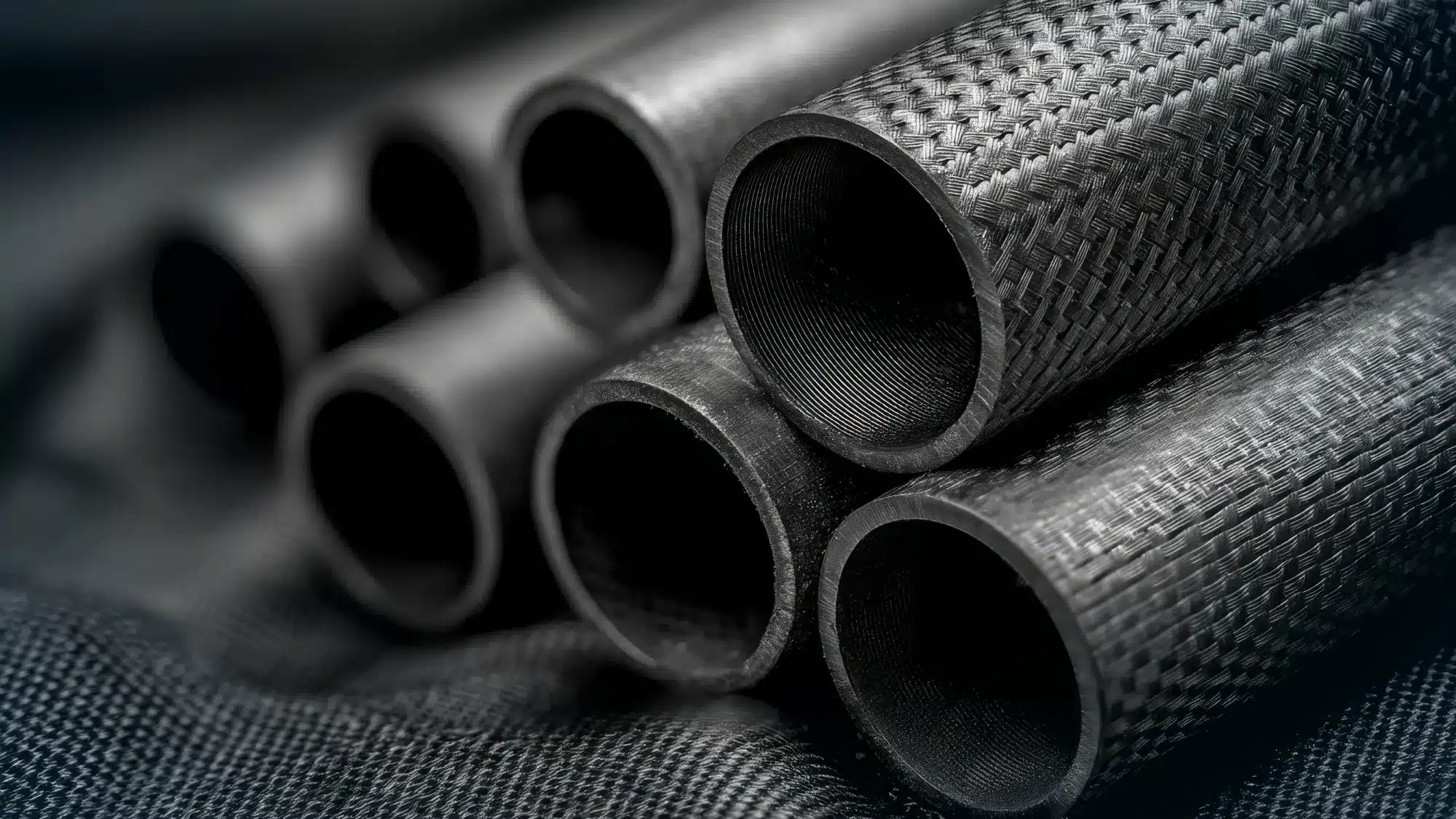
Carbon fiber tubes are a vital component in a wide array of industries, praised for their unmatched combination of strength and lightweight properties. Companies like Forte Carbon are at the forefront of carbon fiber tubes manufacturing, utilizing advanced processes to produce high-quality products. These tubes find applications in industries ranging from aerospace and automotive to sports equipment and construction. In this article, we will explore some of the most common manufacturing methods used to produce these essential materials.
Hand Lay-Up Process
One of the earliest and most straightforward methods of producing carbon fiber tubes is the hand lay-up process. This technique involves manually applying resin to pre-formed carbon fabric layers, which are then placed over a mold of the desired tube shape.
The hand lay-up process is particularly beneficial for low-volume production runs where customization is key. While it offers excellent control over the final product’s surface texture and appearance, it is also labor-intensive and not suitable for mass production. This method is commonly used in the production of carbon fiber tubes in industries where bespoke designs are preferred.
Filament Winding
Filament winding is a highly automated process ideal for producing carbon fiber tubes that require high strength in specific orientations. This technique involves winding continuous carbon fibers that have been impregnated with resin around a rotating mandrel in precise patterns.
One of the chief advantages of filament winding in carbon fiber tube manufacturing is its ability to create highly consistent and repeatable products, which is essential for industries like aerospace and automotive. The controlled winding process ensures that the fibers align perfectly to meet specific load and stress requirements, resulting in tubes that are both robust and lightweight.
Pultrusion
Pultrusion is another automated process ideal for high-volume production of carbon fiber tubes. In this method, continuous carbon fibers are pulled through a resin bath before being pulled through a heated die that shapes and cures the product.
This process is highly efficient, producing tubes with consistent cross-sectional shapes. Pultrusion is favored for its ability to produce lightweight yet strong carbon fiber tubes with excellent uniformity and dimensional stability. This method is commonly used in the construction industry, where long runs of structural profiles are required.
Resin Transfer Molding (RTM)
Resin transfer molding (RTM) is a sophisticated process that allows for the precision engineering of complex carbon fiber tubes. In RTM, dry carbon fabric is placed into a mold, and resin is injected under pressure, infusing the entire fiber structure.
The RTM process is known for producing high-quality carbon fiber tubes with excellent surface finish and structural integrity. This method is often employed in industries that demand precision-engineered components, such as in the manufacturing of high-performance bicycles and automotive parts.
Compression Molding
Compression molding is a common method for producing carbon fiber tubes that require high strength-to-weight ratios. In this process, pre-prepared carbon fiber fabric and resin are placed into a heated mold with the application of pressure to cure the material into the final shape.
Compression molding allows for rapid production with consistent quality, making it an ideal choice for manufacturing carbon fiber tubes on a larger scale. The method is often used when a stronger, more rigid tube is necessary, such as for use in sports equipment and automotive applications.
Choosing the Right Manufacturing Method
Selecting the appropriate method for carbon fiber tubes manufacturing depends on several factors, including the intended use, production volume, and required material properties. Whether you need custom-designed prototypes or large-scale production runs, understanding these manufacturing processes will help ensure that your carbon fiber tubes meet the specific demands of your application.
Forte Carbon is committed to employing the most effective manufacturing techniques to deliver top-quality carbon fiber tubes tailored to industry needs. By staying at the cutting edge of technology, they ensure that every tube produced meets the highest standards of durability, strength, and weight efficiency.
When in search of robust and lightweight solutions for your engineering requirements, consider the expertise and advanced practices employed by proficient manufacturers like Forte Carbon. Whether it’s for aerospace, automotive, or sports equipment, choosing the right partner is crucial to meet your project’s specifications perfectly.