Removing an old roof can produce a surprising amount of debris. Shingles, underlayment, sheathing, flashing, and other materials can quickly accumulate around the property if there isn’t a waste-removal plan in place.
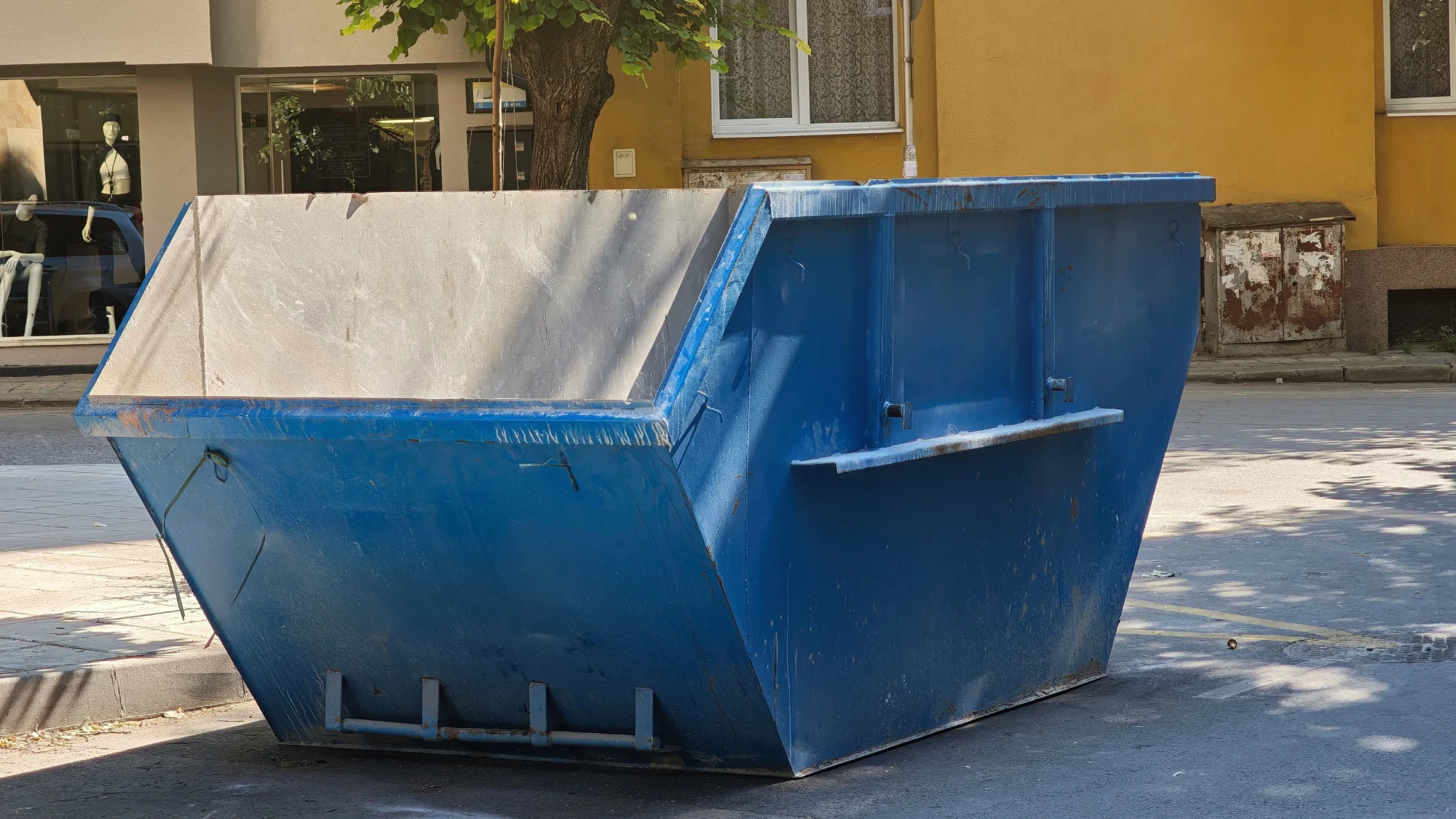
For homeowners and contractors searching for “roofing dumpster rental near me,” Finkeldey’s BMJ provides roll-off dumpsters for roofing and other construction projects in Connecticut. Planning how you’ll use the container can make cleanup easier while helping you stay within applicable loading and weight limits.
Can Shingles and Underlayment Go in the Same Dumpster?
Roofing shingles are specifically listed among the materials accepted in Finkeldey’s construction dumpsters. Other roofing debris may also be accepted depending on the material and rental requirements.
Before mixing shingles, underlayment, sheathing, nails, flashing, or other materials in the same container, tell the rental provider exactly what you expect to discard. This is particularly important if the roof contains unusual or potentially restricted materials.
Never assume that every material removed from a roof can automatically go into the dumpster.
Pay Attention to Weight, Not Just Space
Roofing debris presents a particular challenge because shingles can be extremely heavy.
A dumpster may still have physical space available while the debris inside is approaching the applicable weight allowance. For this reason, choosing a dumpster based only on its dimensions can result in problems.
Before ordering, estimate:
- The size of the roof
- Number of roofing layers being removed
- Types of roofing materials
- Approximate volume of debris
- Whether damaged sheathing will also be removed
Providing this information can help the rental company recommend an appropriate container.
How to Load Roofing Debris More Effectively
Once the dumpster arrives, careful loading can help keep the jobsite organized.
1. Keep the Container Accessible
Choose a placement area that allows the roofing crew to reach the dumpster without creating unnecessary obstacles. The location must also provide suitable access for delivery and pickup.
2. Distribute Debris Throughout the Container
Avoid allowing all the roofing debris to accumulate in one area. Use the available container space while keeping the load stable and manageable.
3. Keep Loose Materials Contained
Underlayment and other lightweight roofing materials can be more difficult to manage than heavy shingles. Place debris securely inside the container rather than allowing loose material to extend beyond its sides.
4. Watch the Fill Line
Never load debris above the top edge of the dumpster. Overfilled containers can create transportation and safety problems and may need to be adjusted before pickup.
5. Arrange Pickup or a Swap When Needed
Large roofing projects may generate more debris than one container can accommodate. Finkeldey’s can pick up or swap construction containers as they become full, allowing work to continue without overloading the dumpster.
Choose the Right Roofing Dumpster Size
Finkeldey’s BMJ offers several roll-off dumpster sizes for construction and cleanup projects. The appropriate container depends on both the amount and weight of the roofing debris.
When arranging a roofing dumpster rental, explain the scope of the roofing project rather than choosing solely by dumpster dimensions. A rental professional can help determine which available option better fits the expected load.
FAQs About Roofing Dumpster Loading
Can roofing shingles go in a Finkeldey’s dumpster?
Yes. Finkeldey’s specifically identifies shingles as an accepted material for its construction dumpsters.
Can I fill the dumpster all the way to the top?
Materials should not extend above the top edge of the container. You also need to remain within applicable weight requirements.
What if one dumpster isn’t enough?
Contact the rental company to arrange pickup or a container swap rather than overloading the existing dumpster.
What if I’m unsure whether my roofing material is accepted?
Ask before loading it. Identifying the debris when arranging your rental can help prevent problems later.
Make Roofing Cleanup Easier
A roofing dumpster can simplify cleanup, but successful loading requires attention to material type, weight, container capacity, and safe fill levels.
If you’re searching for “roofing dumpster rental near me,” contact Finkeldey’s BMJ to discuss your project. Tell their team what roofing materials you’re removing and approximately how much debris you expect so they can help you select an appropriate dumpster and coordinate delivery and pickup.