Planning next season’s garden before winter ends gives Connecticut homeowners time to consider how their plants will receive water. For anyone exploring drip irrigation in CT, Maxum Irrigation & Plumbing offers design, installation, and maintenance services from its Waterford headquarters. A well-planned system can deliver moisture near plant roots while limiting unnecessary spray onto paths and surrounding areas.
Understand How Drip Watering Works
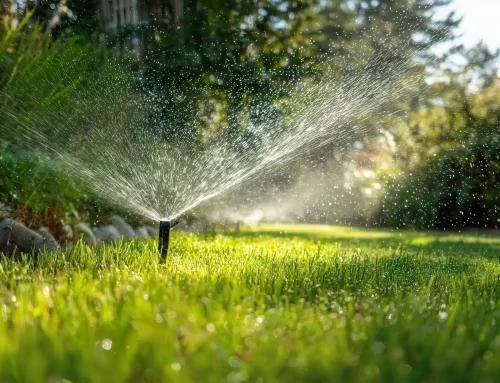
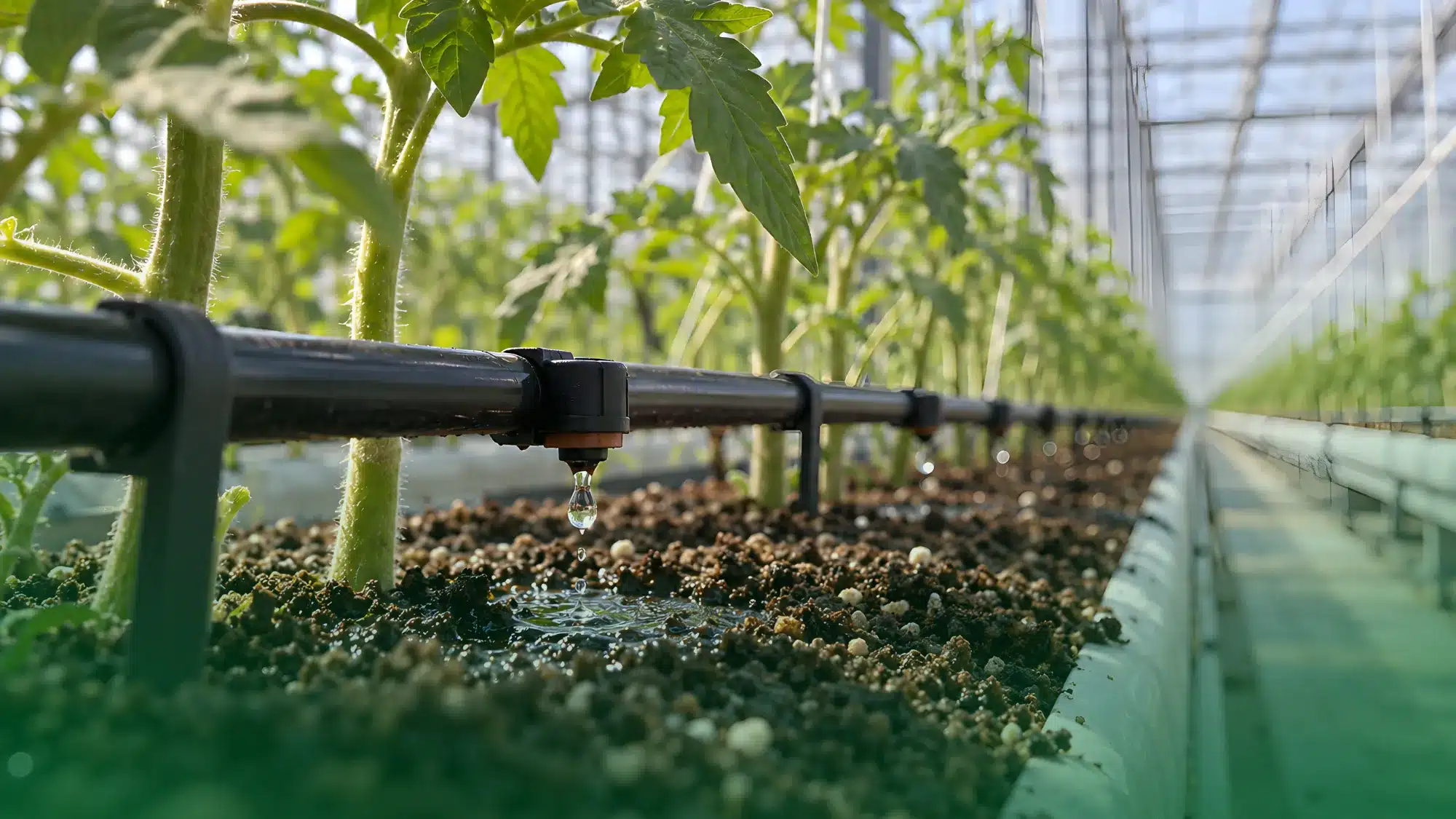
Drip irrigation uses tubing and small emitters to release water gradually around plants. Unlike overhead sprinklers, it targets garden beds, shrubs, and other selected planting areas rather than covering a broad lawn.
This approach can reduce evaporation and runoff when properly designed and scheduled. It does not eliminate the need to check soil moisture, and it will not prevent every weed. Maxum’s guide to irrigation system types explains when drip zones may complement conventional lawn sprinklers.
Map Your Beds and Watering Needs
Before choosing tubing, sketch the garden and identify vegetables, flowers, shrubs, and new plantings. Pay attention to sunny and shaded areas, soil drainage, slopes, and existing water sources.
A practical planning checklist includes:
- Plant groups with similar moisture requirements.
- Bed dimensions and expected changes next spring.
- Water-source capacity and available pressure.
- Access for filters, valves, and routine maintenance.
- Controller settings and local watering restrictions.
Maxum’s irrigation planning guide discusses how site assessment and zoning influence system design. Keeping plants with different water needs on separate zones may prevent some areas from receiving too much or too little moisture.
Match Components to the Garden
A drip system may need a filter, pressure regulator, distribution tubing, emitters, valves, and a controller. Emitter spacing and flow rates should match soil conditions and plant requirements rather than follow one universal layout.
The company’s drip irrigation contractor overview describes site assessment, installation, testing, and seasonal adjustments. A qualified installer can also address backflow protection where required.
For pressure, use the equipment manufacturer’s specifications. Some drip products operate within lower pressure ranges, but assuming every installation needs exactly 20–30 PSI could lead to poor performance or damaged parts.
Prepare for Spring Testing and Ongoing Care
At spring startup, check that each emitter flows as intended and look for leaks, clogged filters, or dry patches. Watering times should change with rainfall, temperature, and plant growth instead of remaining fixed throughout the season.
Maxum’s maintenance plan describes checks of controllers, valves, filters, leaks, and backflow equipment.
Connecticut freezing temperatures add another consideration. The company’s winterization guidance explains why trapped water should be addressed before freezes. Ask how seasonal shutdown and reopening apply to your particular garden system.
Decide Whether Professional Installation Fits
Simple container gardens may need only modest watering arrangements. Larger beds, multiple zones, or connections to an existing irrigation network can require more detailed design and testing.
Homeowners can request an irrigation estimate and describe their plantings, water source, and desired schedule. Pricing depends on the layout, materials, and installation conditions.
Frequently Asked Questions
How often should I water using drip irrigation?
It depends on plant type, soil, weather, emitter flow, and root depth. Check moisture and adjust the schedule accordingly.
Is drip irrigation cost-effective?
It may reduce wasted water and manual watering, but savings depend on system design, usage, and installation costs.
Can I install a drip irrigation system myself?
Small systems can be DIY projects. Professional help is useful for zoning, pressure regulation, backflow protection, and complex installations.
What is the ideal water pressure for a drip system?
Follow the selected emitter and regulator specifications. There is no single pressure setting suitable for every system.
Plan Your Garden Watering with Maxum
Considering drip irrigation in CT before spring provides time to compare layouts and maintenance needs. Contact Maxum Irrigation & Plumbing or call (860) 525-7000 to discuss your property and next-season plans.