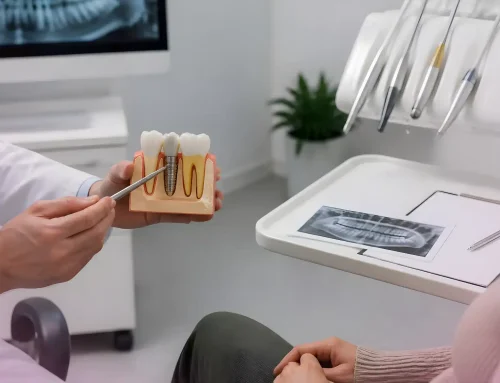
When a tooth with an old filling chips or becomes uncomfortable, replacing that filling may seem like the obvious next step. Sometimes it is appropriate; sometimes the remaining tooth needs more support.
If you are exploring dental crowns in Rhode Island, Arcadia Dental in Hope Valley can assess the damage and discuss options. The decision depends on the tooth’s condition, rather than the number of fillings it has received.
When to Consider a Dental Crown
A crown may be recommended when a large cavity, fracture, or existing filling leaves too little healthy tooth structure to support another filling reliably.
A crown covers the prepared tooth above the gumline. It can help protect weakened structure and restore shape and chewing function. However, not every cracked or heavily restored tooth can be treated successfully with a crown.
Symptoms alone cannot establish which restoration you need.
Dental Crowns vs. Fillings: Key Differences
A dental filling repairs a damaged area after decay is removed. It may be suitable when enough sound tooth remains to support the restoration.
A crown covers more of the tooth and usually requires preparation. That broader coverage may be useful when a filling would leave weakened areas exposed to chewing forces.
Neither option is better or longer-lasting in every case. Ask:
- How much healthy tooth remains?
- Is there damage around or beneath the existing filling?
- Why would a crown be preferable for this tooth?
- What alternatives are reasonable, and what are their limitations?
Signs That Deserve an Examination
Arrange an assessment if you notice a broken tooth, a loose filling, pain when chewing, or sensitivity that persists.
These concerns can have different causes. A worn filling may be repairable, while another tooth may need more extensive treatment. Avoid deciding from appearance alone or waiting for pain to become severe.
Our examination and imaging services help us evaluate dental concerns. The dentist will decide whether imaging is appropriate.
What Getting a Crown May Involve
Our crown information describes a process that commonly includes:
- Assessment: Review the tooth, symptoms, and proposed treatment.
- Preparation: Shape the tooth and address damaged areas as needed.
- Impressions: Record the prepared tooth for crown fabrication.
- Temporary protection: Place a temporary crown while the final restoration is made.
- Final fitting: Check the crown’s fit and bite before securing it.
Ask how many appointments your treatment will require. Discuss anesthesia, sensitivity, and comfort measures beforehand; individual experiences vary.
Follow the instructions for your temporary crown and contact the office if it loosens or your symptoms change.
Caring for the Restored Tooth
A crown still needs daily care. Brush twice daily with fluoride toothpaste and clean between your teeth each day.
Keep up with recommended dental cleanings and preventive visits. These appointments provide opportunities to review your home-care routine and discuss concerns around existing restorations.
Tell the dentist if you clench or grind your teeth. Ask what precautions are appropriate, and avoid using teeth to open packaging or chewing hard objects.
Frequently Asked Questions
Can a Filled Tooth Receive a Crown Later?
Yes, when an examination shows that a crown is appropriate. An existing filling alone does not mean one is needed.
How Long Will a Crown Last?
Longevity varies with the tooth, restoration, bite, and care. Ask about expectations for your situation rather than relying on a fixed replacement date.
Will a Crown Solve Every Toothache?
No. Pain requires diagnosis, and additional or different treatment may be needed.
Discuss Your Options With Arcadia Dental
If you are comparing options for dental crowns in Rhode Island, request an appointment with Arcadia Dental. Bring questions about the existing filling, remaining tooth structure, treatment steps, and estimated costs so we can discuss a plan for your tooth.