Fall can be a useful moment to revisit movement habits that have slipped into the background. Maybe a daily walk now feels harder, your shoulders tire at your desk, or returning to exercise has raised questions. Exploring physiotherapy in Santa Monica can help you translate a broad goal like “move better” into specific activities to assess, practice, and track. At PostureWorks, physical therapy focuses on how the body moves as a whole, not only where discomfort appears.
Choose a Goal You Can Actually Measure
“Improve flexibility” is a starting idea, but a clearer goal makes progress easier to recognize. Consider what movement currently limits your day and what you want to do differently by winter.
- Daily activities: Climb stairs with greater confidence or carry groceries more comfortably.
- Work routines: Sit, stand, or change positions with less difficulty.
- Recreation: Return gradually to walking, Pilates, or a preferred sport.
- Movement control: Practice balance and coordination for tasks that matter to you.
Record where symptoms appear, what aggravates them, and how often they interrupt activities. These observations can guide an initial conversation without assuming what causes the problem. If you have a recent referral, imaging report, or notes from another clinician, ask whether the clinic would like them. You do not need to arrive with a diagnosis; the goal is to provide enough context for a thoughtful assessment.
Find Out What an Assessment Involves
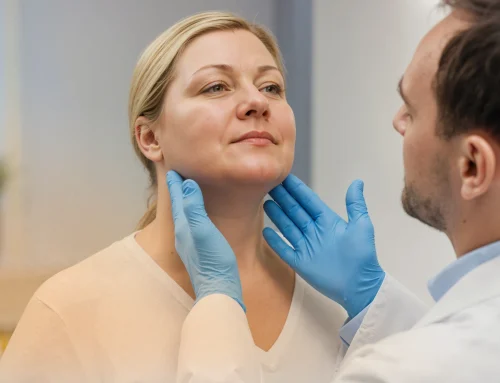
A physical therapist may ask about medical history, previous injuries, everyday demands, and the movements you want to improve. They can assess mobility, strength, balance, and movement patterns, then discuss whether therapy is appropriate and what a plan might involve.
PostureWorks offers 3D movement scanning to record aspects of posture and movement. Ask whether this tool suits your situation, what the results can and cannot show, and how findings will inform your care. A scan is one source of information, not a substitute for clinical judgment.
Explore Treatments That Fit Your Needs
Your plan need not look like someone else’s. PostureWorks describes postural correction therapies that consider how different parts of the body contribute to movement. The clinic also provides Redcord Neurac treatment, using adjustable slings to support or challenge selected movements under professional guidance.
Depending on your assessment, care may include therapeutic exercises, movement practice, hands-on treatment, and advice for activities between appointments. No technique guarantees pain relief or prevents every injury. Ask why each approach is recommended and how progress will be evaluated.
Make Your Fall Routine Support the Plan
A plan for physiotherapy in Santa Monica can be more useful when clinic visits connect to manageable habits outside the treatment room. Rather than changing everything at once, work with your therapist to identify one or two practical actions.
- Agree on a baseline, such as walking duration or comfortable movement range.
- Ask which exercises are appropriate and how often to practice them.
- Track responses, including discomfort, fatigue, or improved tolerance.
- Review the plan if symptoms worsen or your goals change.
Avoid pushing through new, significant pain. Treatment intensity and visit frequency should reflect your condition and response rather than a promised timetable. Ask when your goals will be reviewed.
Clarify Scheduling and Payment Before Your First Visit
PostureWorks describes itself as an out-of-network physical therapy provider that generally collects payment at the visit. Its billing and insurance information explains reimbursement possibilities without guaranteeing payment from an insurer. Check your benefits and request a cost estimate when appropriate.
If you are considering physiotherapy in Santa Monica, request a consultation to discuss your goals, scheduling, and referral requirements. Contact PostureWorks at (310) 453-6166 or visit 1821 Wilshire Boulevard, Suite 311, Santa Monica, CA, to ask about an individualized movement assessment.