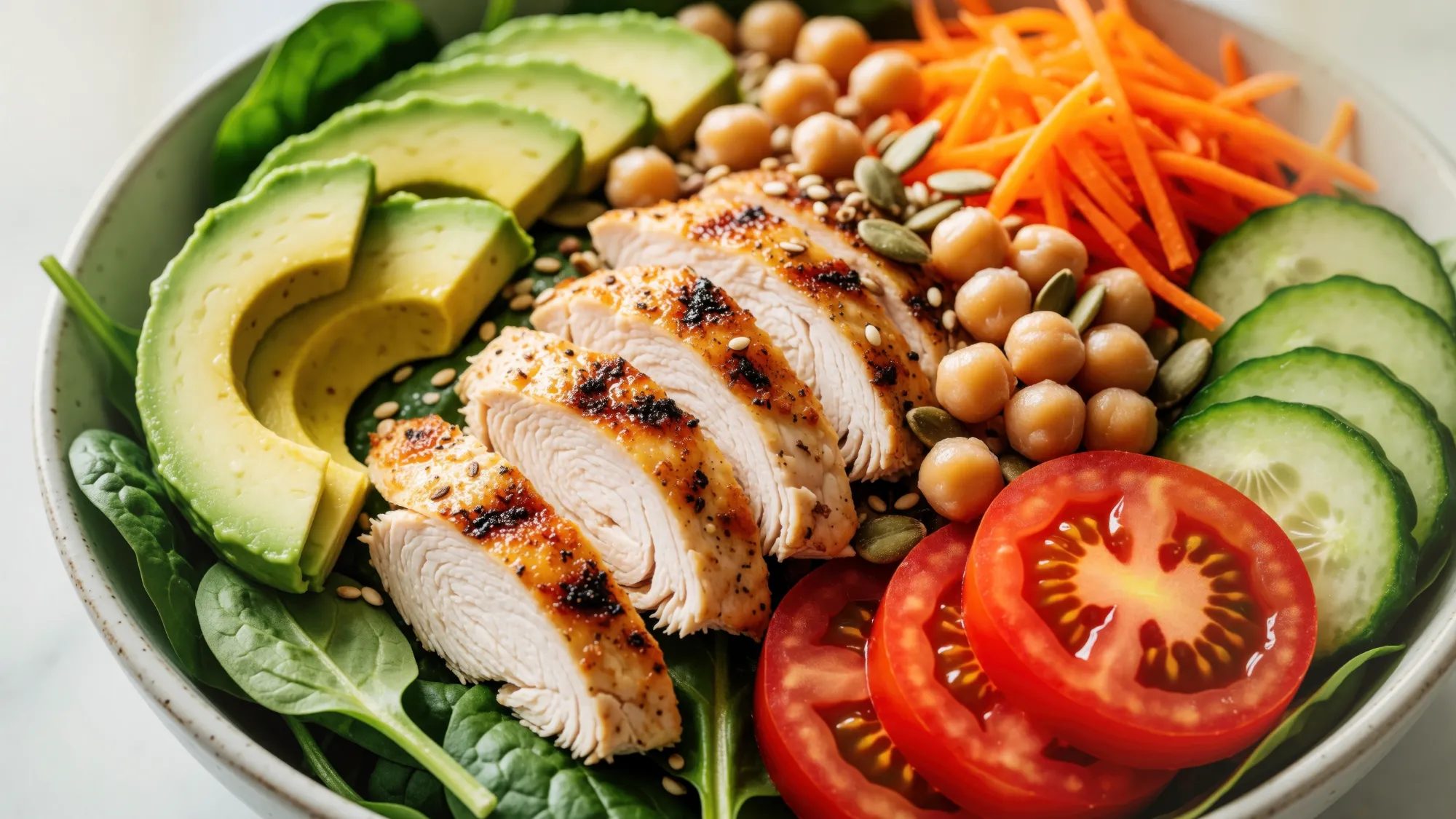
Protein has become one of the most heavily promoted nutrients in modern wellness culture. Grocery shelves are filled with protein bars, shakes, cereals, chips, powders, and desserts promising to support muscle, energy, weight loss, or healthy aging.
Protein is essential, but more is not automatically better.
Your individual requirements depend on several factors, including your age, body size, activity level, overall calorie intake, health conditions, pregnancy status, and personal goals. Someone training intensely may need more than a generally healthy, sedentary adult. An older person trying to preserve muscle may have different priorities from someone managing kidney disease.
If you have ever asked, “How much protein do I need?”, the most accurate answer begins with understanding what protein does and why a single target does not work for everyone.
What Does Protein Do in the Body?
Protein is made from smaller compounds called amino acids. The body uses these amino acids to build, maintain, and repair tissues.
Protein contributes to:
- Building and repairing muscle
- Maintaining skin, hair, and connective tissue
- Producing enzymes
- Making certain hormones
- Supporting immune function
- Transporting substances through the blood
- Maintaining fluid balance
- Recovering from illness, injury, or surgery
- Supporting growth during pregnancy, childhood, and adolescence
Protein can also provide energy, but that is not its primary role. Carbohydrates and fats generally supply most of the body’s energy under ordinary conditions.
Because protein supports so many functions, inadequate intake can affect more than muscular strength.
How Much Protein Does the Average Adult Need?
The Recommended Dietary Allowance for generally healthy adults is approximately 0.8 grams of protein per kilogram of body weight per day.
This can also be expressed as approximately 0.36 grams per pound of body weight.
For example:
- A person weighing 120 pounds may have a baseline requirement of approximately 44 grams per day.
- A person weighing 150 pounds may have a baseline requirement of approximately 54 grams per day.
- A person weighing 180 pounds may have a baseline requirement of approximately 65 grams per day.
- A person weighing 200 pounds may have a baseline requirement of approximately 73 grams per day.
These numbers are estimates, not personalized prescriptions.
The Recommended Dietary Allowance is designed to meet the nutritional needs of nearly all healthy people in a particular group. The NIH Office of Dietary Supplements explains that Dietary Reference Intakes are population-based values used to plan and evaluate nutrient intake.
The standard adult recommendation should not automatically be interpreted as the ideal target for every health goal. Some people may require more, while others may need to manage their intake differently.
How to Estimate Your Baseline Protein Requirement
To calculate a general baseline estimate:
- Convert your weight from pounds to kilograms by dividing it by 2.2.
- Multiply your weight in kilograms by 0.8.
For someone weighing 165 pounds:
- 165 ÷ 2.2 = approximately 75 kilograms
- 75 × 0.8 = approximately 60 grams of protein per day
This calculation offers a starting point for a generally healthy adult. It does not account for pregnancy, athletic training, aging, illness, kidney function, weight-management treatment, or other individual circumstances.
Using actual body weight may also produce an inappropriate estimate for some people with a high or low body weight. A qualified healthcare professional can determine whether another method is more suitable.
Who May Need More Protein?
Physically Active Adults
Exercise increases the body’s need to repair and adapt muscle tissue. People who participate regularly in resistance training, endurance exercise, sports, or physically demanding work may need more protein than the basic adult recommendation.
Needs can vary depending on:
- Training type
- Exercise intensity
- Frequency and duration
- Total calorie intake
- Age
- Body composition
- Recovery
- Training goals
Eating sufficient total calories is also important. If energy intake is too low, the body may use some dietary protein for energy instead of prioritizing tissue repair.
Older Adults
Muscle mass and strength tend to decline with age. Older adults may also experience a reduced muscle-building response to small amounts of protein, decreased appetite, dental problems, medication effects, illness, or difficulty obtaining and preparing meals.
For these reasons, some older adults may benefit from more protein than the basic recommendation, distributed throughout the day and combined with resistance exercise.
Increasing protein alone cannot fully prevent age-related muscle loss. Strength training, sufficient calories, sleep, management of chronic conditions, and overall nutritional quality also matter.
Learn more about strength training for longevity.
People Losing Weight
During weight loss, the body may lose both fat and lean tissue. Adequate protein, resistance exercise, and an appropriate rate of weight reduction can help support muscle preservation.
This may be especially important for people:
- Following a calorie-restricted eating plan
- Experiencing rapid weight loss
- Using GLP-1 or related weight-management medication
- Recovering after bariatric surgery
- Starting with low muscle mass
- Losing weight at an older age
A high-protein diet does not guarantee that all weight loss will come from fat. Exercise, total calorie intake, treatment method, age, and individual biology influence body-composition changes.
People Recovering From Illness, Injury, or Surgery
Illness, wounds, surgery, burns, and prolonged hospitalization can increase protein needs. Appetite may also be reduced during recovery, making those needs harder to meet.
Medical nutrition planning should be individualized because certain illnesses can simultaneously increase protein needs while changing how much the body can safely process.
Pregnant or Breastfeeding Individuals
Protein needs increase during pregnancy and breastfeeding to support fetal growth, maternal tissue, milk production, and recovery.
Pregnancy is not the time to follow an unmonitored high-protein diet or use supplements without reviewing their ingredients and safety. Prenatal nutrition should be discussed with an obstetric healthcare professional.
People Following Vegetarian or Vegan Diets
Plant-based eating patterns can provide adequate protein, but planning may be helpful, particularly when calorie intake is low or protein needs are elevated.
Plant-based protein sources include:
- Beans
- Lentils
- Peas
- Soy foods
- Nuts
- Seeds
- Whole grains
- Seitan
- Fortified alternatives
- Certain meat substitutes
Eating a variety of plant foods throughout the day can provide the essential amino acids the body needs. Complementary plant proteins generally do not need to be combined in the same meal when the overall diet is varied and sufficient.
Can Someone Eat Too Much Protein?
More protein is not necessarily harmful for every healthy person, but very high intake can create problems or displace other important foods.
Possible concerns include:
- Inadequate fiber if protein replaces plant foods
- Increased saturated fat from certain animal sources
- Excess calories
- Digestive discomfort
- Higher food costs
- Overreliance on supplements
- Inadequate carbohydrate for demanding exercise
- An unnecessarily restrictive eating pattern
- Additional concerns for people with certain medical conditions
Protein is one part of a balanced eating pattern. Vegetables, fruit, whole grains, legumes, and sources of healthy fats provide nutrients that protein-rich foods alone cannot supply.
Protein and Kidney Health
Healthy kidneys help remove waste products created during protein metabolism. People with chronic kidney disease may need an individualized protein target based on kidney function, dialysis status, nutritional health, and other medical factors.
Someone who has kidney disease should not begin a high-protein diet or regularly use protein supplements without guidance from an appropriate healthcare professional.
Protein requirements can differ significantly before and after dialysis. Advice intended for a generally healthy athlete may be unsuitable for someone with impaired kidney function.
For people with healthy kidneys, eating above the minimum requirement is not automatically harmful. However, extremely high intake has not been proven necessary for most general health goals.
Animal Protein Versus Plant Protein
Both animal and plant foods can contribute to protein needs.
Animal Protein Sources
Examples include:
- Fish
- Poultry
- Eggs
- Milk
- Yogurt
- Cheese
- Lean meat
Animal proteins typically provide all nine essential amino acids in proportions the body can use readily. They may also supply nutrients such as vitamin B12, iron, calcium, zinc, and omega-3 fats, depending on the food.
However, some animal-protein sources can contain substantial saturated fat, sodium, or processing-related ingredients. Processed meats such as bacon, sausage, hot dogs, and many deli meats should not be treated as nutritionally equivalent to fish, beans, eggs, or plain yogurt.
Plant Protein Sources
Examples include:
- Beans
- Lentils
- Chickpeas
- Tofu
- Tempeh
- Edamame
- Peas
- Nuts
- Seeds
- Whole grains
- Seitan
Plant-protein foods frequently provide fiber, unsaturated fat, vitamins, minerals, and beneficial plant compounds.
Some plant foods contain lower proportions of one or more essential amino acids, but a varied eating pattern can provide adequate amounts over the course of the day.
A balanced diet can include animal protein, plant protein, or a combination based on health needs, values, culture, budget, and preference.
What Are Complete Proteins?
A complete protein provides all nine essential amino acids in adequate proportions. The body cannot produce these essential amino acids in sufficient quantities, so they must come from food.
Complete protein sources include:
- Eggs
- Dairy products
- Fish
- Poultry
- Meat
- Soy
- Quinoa
Many plant foods are lower in one or more essential amino acids, but this does not make them inadequate. Eating varied sources such as legumes, grains, nuts, seeds, and soy can provide a complete amino-acid pattern over time.
It is generally unnecessary to combine specific plant proteins at every meal.
Is Protein More Effective When Spread Throughout the Day?
Many people consume little protein at breakfast, a modest amount at lunch, and most of their daily intake at dinner.
Distributing protein more evenly across meals may provide repeated opportunities for muscle-protein synthesis and may support fullness. This can be particularly useful for older adults, people performing resistance training, and those trying to preserve muscle during weight loss.
A more balanced pattern might involve including a protein source at:
- Breakfast
- Lunch
- Dinner
- A snack when appropriate
This does not require eating identical amounts at every meal. It means avoiding a pattern in which nearly all protein is delayed until the end of the day.
What Does a Protein-Rich Meal Look Like?
Protein content varies by brand, serving size, and preparation, but common sources include:
- Three ounces of cooked chicken or fish: approximately 20–25 grams
- Two large eggs: approximately 12 grams
- One cup of Greek yogurt: approximately 15–25 grams
- One cup of cooked lentils: approximately 18 grams
- One cup of cooked beans: approximately 14–16 grams
- One-half cup of tofu: approximately 10–20 grams
- One cup of milk: approximately 8 grams
- One ounce of nuts: approximately 4–7 grams
- Two tablespoons of peanut butter: approximately 7–8 grams
These values are general examples. Product labels and the USDA FoodData Central database can provide more specific information.
A balanced meal might combine protein with vegetables, fiber-rich carbohydrates, and an appropriate source of fat.
Examples include:
- Eggs with vegetables and whole-grain toast
- Greek yogurt with fruit, oats, and nuts
- Lentil soup with a side salad
- Tofu with vegetables and brown rice
- Fish with roasted vegetables and potatoes
- Beans, salsa, vegetables, and avocado in a whole-grain wrap
- Chicken with quinoa and mixed vegetables
Do You Need Protein Immediately After Exercise?
The body remains responsive to protein for an extended period after resistance exercise. For most recreationally active adults, consuming adequate protein throughout the day is more important than drinking a shake within a very narrow post-workout window.
Eating a meal or snack containing protein within several hours of training is generally practical.
Timing may matter more for:
- Competitive athletes
- People completing multiple training sessions per day
- Those who exercised after a long fast
- Adults struggling to consume enough total protein
- People following a tightly managed training program
A person who has eaten a balanced meal before training may not need immediate supplementation afterward.
Do Protein Shakes and Powders Provide Better Results?
Protein supplements can be convenient, but they are not required for building or maintaining muscle.
They may be useful for people who:
- Struggle to meet needs through food
- Have a limited appetite
- Need a portable option
- Follow a demanding training schedule
- Have chewing or preparation difficulties
- Are losing weight and need nutrient-dense intake
Whole foods can provide protein along with fiber, vitamins, minerals, and other nutrients. Supplements should fill a specific need rather than automatically replacing balanced meals.
When choosing a protein product, review:
- Protein per serving
- Added sugars
- Sodium
- Saturated fat
- Total calories
- Allergens
- Other added ingredients
- Independent quality testing
- Whether the serving fits your actual needs
Dietary supplements are regulated differently from conventional foods and medications. Claims on packaging should not be accepted automatically as evidence of safety or effectiveness.
Will Eating More Protein Automatically Build Muscle?
No. Protein provides the building material for muscle, but the body also needs a reason to build or preserve that tissue.
Resistance training supplies that signal.
Without an appropriate exercise stimulus, consuming increasingly large amounts of protein will not continuously increase muscle. Genetics, age, hormones, sleep, total energy intake, health conditions, and training quality also influence the response.
For most people, the strongest muscle-preservation strategy combines:
- Sufficient, not excessive, protein
- Progressive resistance training
- Adequate calorie intake
- Rest and recovery
- Consistency
Does Protein Help With Weight Management?
Protein can contribute to fullness and may help preserve muscle during weight loss. Including a protein source in meals may make an eating plan more satisfying.
However, protein still provides calories. Adding shakes, bars, or large portions to an existing diet does not automatically produce weight loss.
The type of protein source also matters. A protein label does not necessarily make a product nutrient-dense. Some protein snacks contain substantial added sugar, sodium, saturated fat, or calories.
A sustainable weight-management plan considers the entire eating pattern rather than focusing on a single nutrient.
Protein During GLP-1 Treatment
GLP-1 and related medications can reduce appetite substantially. Some patients may struggle to consume enough food or may prioritize very small portions without considering protein and other nutrients.
During treatment, maintaining adequate nutrition can help support:
- Muscle preservation
- Strength
- Recovery
- Energy
- Overall nutritional status
Protein alone cannot prevent all lean-tissue loss. Resistance training, adequate total intake, hydration, and clinical monitoring are also important.
Learn more about the benefits and risks of GLP-1 medications.
Patients experiencing persistent nausea, vomiting, inability to eat, dehydration, weakness, or rapid weight loss should contact their prescriber.
Signs You May Need a Professional Nutrition Review
Possible reasons to discuss protein intake with a healthcare professional include:
- Unintentional weight loss
- Loss of strength
- Reduced ability to complete normal activities
- Poor wound healing
- Very limited food intake
- Persistent loss of appetite
- A highly restrictive diet
- Kidney or liver disease
- Pregnancy
- Recovery from surgery
- Use of weight-management medication
- Significant gastrointestinal symptoms
- Concern about an eating disorder
These concerns do not necessarily indicate protein deficiency. They may require a broader medical and nutritional evaluation.
A Practical Way to Approach Protein
Instead of trying to maximize protein, begin with several practical questions:
- Do most of my meals contain a meaningful protein source?
- Am I getting protein from varied foods?
- Am I also eating enough fiber-rich plant foods?
- Does my intake support my activity and recovery?
- Am I unintentionally losing strength or muscle?
- Do I have a medical condition that changes my needs?
- Am I relying on supplements when ordinary food would work?
- Is my current eating pattern sustainable?
For many adults, consistently including an appropriate protein source at meals is more useful than chasing the highest possible daily number.
Find the Amount That Fits Your Health
The answer to “How much protein do I need?” depends on more than body weight. Age, physical activity, strength training, weight loss, pregnancy, illness, kidney function, calorie intake, and personal goals can all affect an appropriate target.
The standard adult recommendation of approximately 0.8 grams per kilogram provides a useful baseline for generally healthy adults, but it is not a universal prescription or an ideal target for every situation.
At KnowHealth, our lifestyle medicine approach considers nutrition alongside movement, sleep, stress, medications, medical history, and long-term goals. Rather than promoting a single protein target for everyone, we focus on practical choices that fit the individual.
KnowHealth complements rather than replaces primary care. Continue working with your primary care professional for routine screenings, urgent concerns, and the management of existing conditions.
Schedule an appointment with KnowHealth to discuss a personalized approach to nutrition, strength, and metabolic health.