Persistent itching, redness, or unusual skin changes can be uncomfortable and concerning. If you’re searching for a “skin fungus doctor near me” in Los Angeles, CA, understanding possible causes can help you seek appropriate care. This October, Dr. Asif Rafi, MD, at the Allergy, Asthma, and Sinus Institute, offers evaluation of bacterial and fungal infections alongside immune-related skin conditions.
Understanding Skin Fungal Infections
Fungal skin infections develop when fungi affect the skin, nails, or other body areas. Dermatophytes and yeasts are common causes, particularly in warm, moist environments.
These conditions can produce itching, scaling, redness, and irritation. However, similar symptoms may result from eczema, contact dermatitis, or bacterial infections.
Common Types of Skin Fungal Infections
- Athlete’s Foot: Causes itching, peeling, or cracking, particularly between the toes.
- Ringworm: Often produces circular, scaly patches with raised borders.
- Jock Itch: Affects the groin and surrounding skin.
- Cutaneous Candidiasis: May cause irritated, reddish patches within moist skin folds.
Dr. Rafi’s practice specifically discusses fungal infections, including athlete’s foot, ringworm, jock itch, and yeast-related skin conditions.
When to See a Skin Fungus Doctor
Some fungal infections respond to nonprescription medications. Others require professional evaluation, especially when symptoms persist or repeatedly return.
Consider visiting a “skin fungus doctor near me” if you notice:
- Persistent itching or irritation despite treatment.
- Redness spreading beyond the original area.
- Thickened, discolored, or brittle nails.
- Cracked skin that becomes painful.
- Recurring infections or unusual healing patterns.
Seek prompt medical attention for fever, rapidly spreading redness, significant swelling, or severe pain.
What to Expect During Your Visit
At the Allergy, Asthma, and Sinus Institute, Dr. Rafi’s approach includes reviewing medical history and evaluating symptoms.
An appointment may involve:
- Medical History: Discussing previous infections, medications, allergies, and existing conditions.
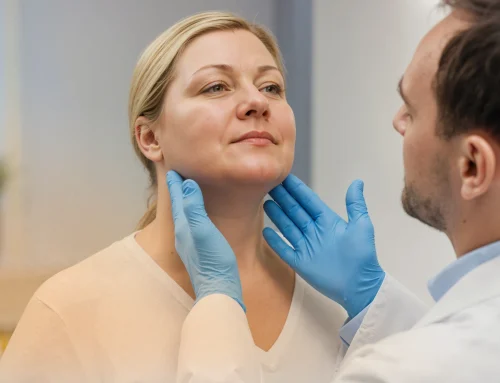
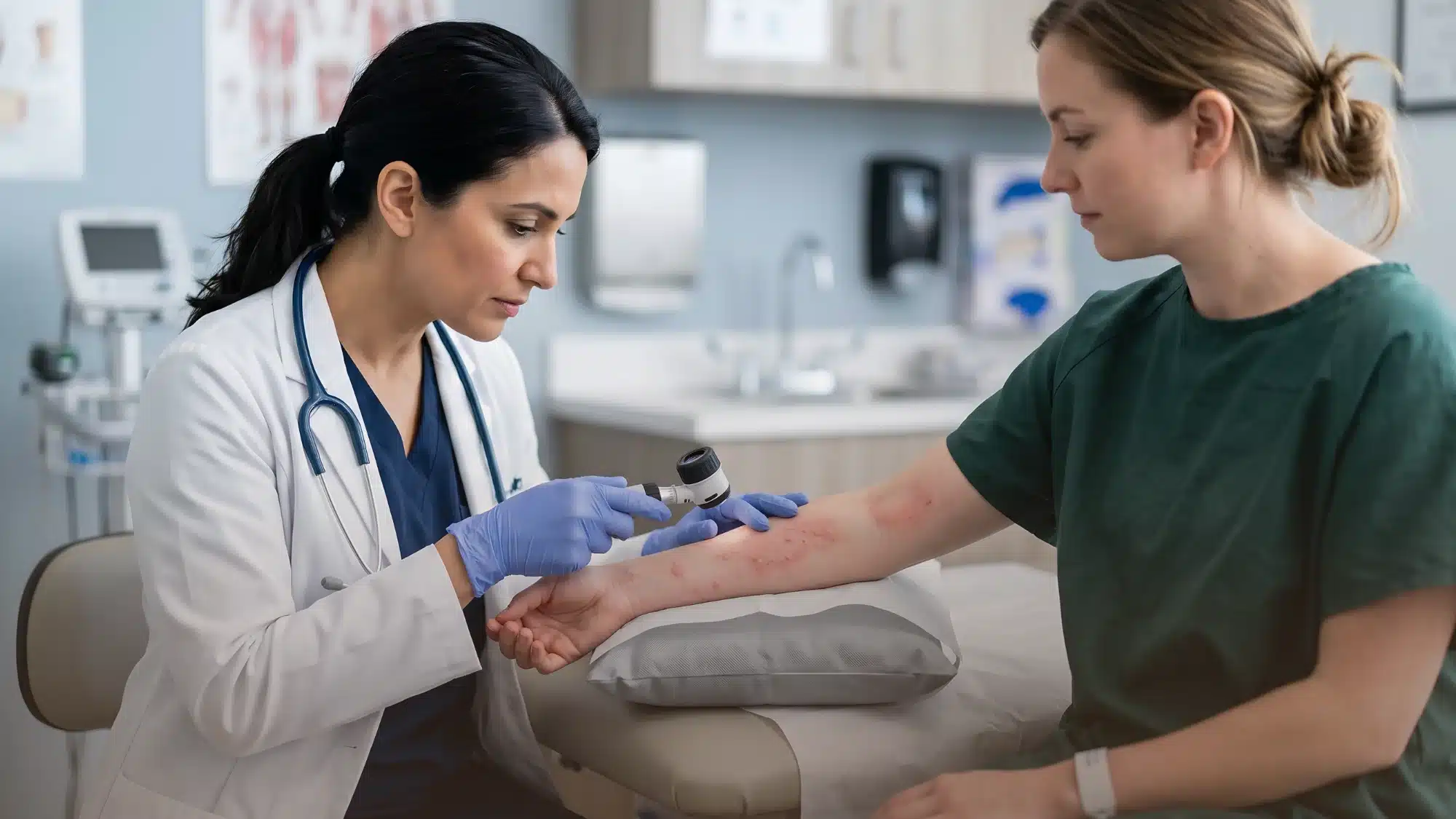
- Physical Examination: Assessing affected areas and identifying possible causes.
- Diagnostic Considerations: Determining whether fungal testing or additional evaluation is necessary.
- Treatment Discussion: Reviewing appropriate medications and preventive measures.
Not every patient requires laboratory testing. Skin scrapings, fungal cultures, or specialist referrals may be considered when clinically appropriate.
Effective Treatments for Skin Fungal Infections
Treatment depends on the infection’s location, severity, and underlying cause.
Common approaches include:
- Topical Antifungals: Creams or other preparations for certain localized infections.
- Oral Antifungals: Prescription medications for selected extensive, scalp, or nail infections.
- Skin Hygiene: Keeping affected areas clean and dry.
- Preventive Measures: Avoiding shared towels and changing damp clothing promptly.
The Allergy, Asthma, and Sinus Institute discusses antifungal therapy and evaluation of skin conditions that may have allergic or infectious causes.
Treatment recommendations depend on an individual assessment rather than symptoms alone.
FAQs About Skin Fungal Infections
What are the symptoms of a skin fungal infection?
Common symptoms include itching, redness, scaling, peeling, and irritated patches. Some infections affect nails or produce distinctive circular rashes.
Can skin fungal infections be prevented?
Keeping skin dry, practicing good hygiene, wearing breathable clothing, and avoiding shared personal items can reduce certain infection risks.
How long does treatment take to work?
Some skin infections improve within weeks, while nail infections may require several months. Treatment duration varies by infection type and severity.
Is a prescription always required?
No. Certain mild infections respond to over-the-counter antifungals. Persistent or recurring symptoms may require prescription treatment or additional evaluation.
Are skin fungal infections contagious?
Some infections, including ringworm and athlete’s foot, spread through contact with infected people, animals, or contaminated surfaces.
If you’re looking for a “skin fungus doctor near me” in Los Angeles, CA, Dr. Asif Rafi, MD, provides care addressing fungal infections and immune-related skin concerns.
Contact the Allergy, Asthma, and Sinus Institute at (424) 256-2984 to schedule an appointment and discuss your symptoms, evaluation options, and appropriate next steps.