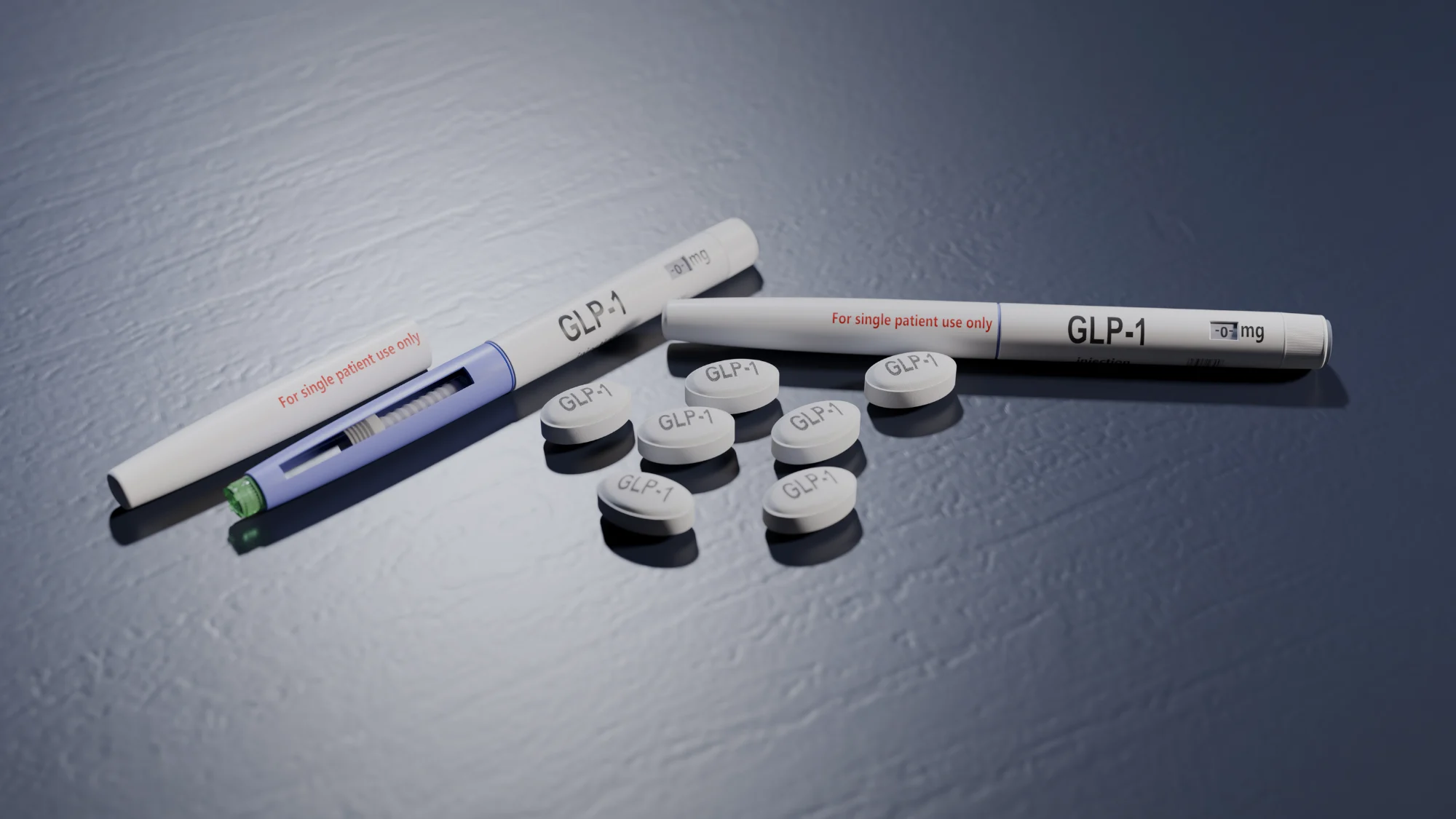
GLP-1 medications have transformed conversations about weight management. Drugs containing semaglutide, liraglutide, and tirzepatide have received significant attention for helping some people lose weight and improve metabolic health.
The attention has also created confusion.
These medications are sometimes portrayed as effortless solutions, dangerous shortcuts, or treatments that anyone wanting to lose a few pounds should be able to use. None of those descriptions presents the complete picture.
For an appropriate patient, GLP-1 medications for weight loss can be valuable medical tools. However, they are prescription treatments with side effects, contraindications, costs, and long-term considerations. They are most appropriately used after a qualified healthcare professional has reviewed the patient’s health, medications, weight-related risks, and treatment goals.
Understanding what these medications can and cannot do is the first step toward making an informed decision.
What Are GLP-1 Medications?
GLP-1 stands for glucagon-like peptide-1, a hormone naturally produced in the digestive system after eating.
GLP-1 helps the body:
- Release insulin when blood glucose is elevated
- Reduce the release of glucagon, a hormone that raises blood glucose
- Slow the movement of food through the stomach
- Send fullness signals to the brain
- Regulate appetite and food intake
GLP-1 receptor agonists are medications designed to imitate some of the actions of the natural GLP-1 hormone. By activating GLP-1 receptors, they can improve glucose regulation and help some people feel satisfied with less food.
Tirzepatide is technically different because it activates receptors for both GLP-1 and glucose-dependent insulinotropic polypeptide, or GIP. It is commonly discussed alongside GLP-1 medications because it has similar clinical uses and effects.
Are All GLP-1 Medications Approved for Weight Loss?
No. Different products containing related active ingredients can have different FDA-approved uses.
Some GLP-1 medications are approved to treat type 2 diabetes. Others are approved for chronic weight management in patients who meet specific criteria. Certain products may have additional approved indications.
For example, a product approved for diabetes should not automatically be assumed to have the same indication as a product containing a similar ingredient that is approved for weight management. Brand, formulation, dose, indication, and prescribing instructions matter.
The National Institute of Diabetes and Digestive and Kidney Diseases maintains information about prescription medications approved for chronic weight management. Because approvals and labeling can change, patients should discuss the current options with a qualified prescriber.
How Do GLP-1 Medications Support Weight Loss?
GLP-1 medications do not directly melt or remove body fat. Their main weight-management effect comes from changing biological signals involved in appetite and eating.
Patients may experience:
- Less frequent hunger
- Earlier fullness during meals
- Greater satisfaction after eating
- Fewer persistent thoughts about food
- Reduced food intake
- Improved ability to follow an appropriate eating plan
These effects can make it easier for some people to maintain an energy intake that supports gradual weight loss.
Responses differ considerably. Some people lose a substantial amount of weight, some experience more modest changes, and others discontinue treatment because of side effects, cost, limited benefit, or personal preference.
No responsible prescriber can guarantee a particular result.
What Are the Potential Benefits?
Clinically Meaningful Weight Loss
Clinical trials have shown that some patients using approved GLP-1 or related medications can achieve meaningful weight reduction when treatment is combined with appropriate lifestyle support.
The amount varies according to the specific medication, dose, treatment duration, adherence, individual biology, and accompanying health habits.
Even modest weight reduction may improve certain health indicators. Greater losses may produce additional benefits for some patients, but the goal should be based on health and function rather than appearance alone.
Improved Blood Glucose Control
GLP-1 medications were initially developed largely around diabetes treatment. By helping the body release insulin in response to elevated glucose and reducing inappropriate glucagon release, these medications can improve blood sugar control.
Some patients may experience improvements in:
- Fasting blood glucose
- A1C
- Insulin sensitivity
- Risk of progression from prediabetes to type 2 diabetes
People taking other diabetes medications may require closer monitoring because treatment combinations can sometimes cause blood sugar to fall too low.
Cardiovascular Benefits for Certain Patients
Certain GLP-1 medications have demonstrated cardiovascular benefits in particular patient populations. Depending on the product and the patient’s medical history, treatment may reduce the risk of major cardiovascular events.
This does not mean every GLP-1 medication has identical evidence or that every patient will receive the same benefit. Prescribers must consider the medication’s approved indication and the individual’s cardiovascular risks.
Improvements in Other Metabolic Indicators
Weight reduction and improved glucose regulation may also support improvements in:
- Blood pressure
- Triglycerides and other cholesterol measures
- Waist circumference
- Metabolic dysfunction-associated steatotic liver disease
- Mobility and physical function
- Obstructive sleep apnea in some patients
These outcomes depend on the individual and should be monitored using appropriate clinical measurements.
What GLP-1 Medications Cannot Do
GLP-1 medications can influence appetite and glucose regulation, but they do not replace every element of long-term health.
They cannot automatically:
- Provide adequate nutrition
- Preserve muscle without appropriate nutrition and activity
- Correct chronic sleep deprivation
- Resolve unmanaged stress
- Build strength or cardiovascular fitness
- Treat every cause of weight gain
- Eliminate the need for preventive healthcare
- Guarantee that lost weight will remain off after discontinuation
Medication can make certain behaviors more manageable, but patients still benefit from a broader plan addressing nutrition, physical activity, sleep, stress, and follow-up care.
Who May Be a Candidate for GLP-1 Weight-Loss Medication?
Eligibility depends on the medication’s FDA-approved labeling and a clinician’s assessment.
In general, prescription weight-management medication may be considered for adults who have:
- Obesity, commonly defined by a body mass index of 30 or higher; or
- Overweight, commonly defined by a BMI of 27 or higher, along with at least one weight-related condition
Weight-related conditions may include high blood pressure, abnormal cholesterol, type 2 diabetes, cardiovascular disease, or obstructive sleep apnea.
BMI is a screening tool rather than a complete measure of individual health. A clinician should also consider body composition, waist circumference, metabolic findings, medical history, current medications, prior treatment attempts, and the potential risks and benefits.
Certain medications are approved for some adolescents, but pediatric treatment requires age-specific evaluation, monitoring, and family involvement.
Who May Not Be an Appropriate Candidate?
A GLP-1 medication may not be appropriate for everyone.
Depending on the particular medication, reasons to avoid treatment or use additional caution may include:
- Pregnancy or plans to become pregnant
- Breastfeeding
- A personal or family history of medullary thyroid carcinoma
- Multiple endocrine neoplasia syndrome type 2
- A previous serious allergic reaction to the medication
- Certain severe gastrointestinal conditions
- A history of pancreatitis
- Gallbladder disease
- Significant kidney problems
- Diabetic retinopathy
- Use of another GLP-1 medication
- Use of medicines that could interact with treatment
- A current or previous eating disorder
- An upcoming procedure requiring anesthesia or deep sedation
This is not a complete list. Contraindications and warnings differ among products, which is why a medical and medication review is essential.
What Are the Most Common Side Effects?
The most frequently reported side effects involve the digestive system.
They may include:
- Nausea
- Vomiting
- Diarrhea
- Constipation
- Abdominal discomfort
- Indigestion
- Bloating
- Reduced appetite
Side effects often occur when treatment begins or when the dose increases. Prescribers commonly begin with a lower dose and increase it gradually to improve tolerability.
Patients should follow the prescribed dosing schedule rather than increasing the dose independently in an attempt to accelerate weight loss.
Persistent vomiting or diarrhea can lead to dehydration and may contribute to kidney problems. Contact your healthcare professional if symptoms are severe, prolonged, or prevent you from keeping fluids down.
What Serious Risks Should Patients Understand?
Serious complications are less common, but patients should know which symptoms require medical attention.
Pancreatitis
Inflammation of the pancreas can cause severe, persistent abdominal pain that may radiate to the back, sometimes with vomiting.
Seek prompt medical care for severe or persistent abdominal pain.
Gallbladder Problems
Weight loss and some GLP-1 medications may increase the risk of gallstones or gallbladder inflammation.
Symptoms can include:
- Pain in the upper abdomen
- Fever
- Yellowing of the skin or eyes
- Pale stools
- Persistent nausea or vomiting
Dehydration and Kidney Problems
Vomiting and diarrhea can cause significant fluid loss. This may worsen kidney function, particularly in someone who already has kidney disease or takes medications affecting fluid balance.
Hypoglycemia
GLP-1 medications generally have a relatively low risk of causing low blood sugar when used alone. The risk can increase when they are combined with insulin or medications such as sulfonylureas.
Possible signs of hypoglycemia include shakiness, sweating, confusion, dizziness, hunger, or weakness.
Severe Gastrointestinal Problems
Because these medications slow stomach emptying, they may not be suitable for people with certain serious gastrointestinal conditions. Persistent severe symptoms require evaluation.
Allergic Reactions
Although uncommon, serious allergic reactions can occur. Facial or throat swelling, difficulty breathing, or a widespread severe rash requires emergency care.
Risks Around Anesthesia and Procedures
Delayed stomach emptying can leave food in the stomach longer than expected, potentially increasing aspiration risk during anesthesia or deep sedation.
Tell the surgical, anesthesia, and prescribing teams that you take a GLP-1 medication before any planned procedure. Follow the individualized instructions they provide rather than stopping the drug without guidance.
What About the Thyroid Cancer Warning?
Certain GLP-1 and related weight-management medications carry a boxed warning based on thyroid C-cell tumors observed in animal studies. It is not known whether these medications cause the same tumors in humans.
These products are generally contraindicated in people with a personal or family history of medullary thyroid carcinoma or multiple endocrine neoplasia syndrome type 2.
Report a neck lump, persistent hoarseness, difficulty swallowing, or difficulty breathing to a healthcare professional. These symptoms have many possible causes but deserve evaluation.
Can GLP-1 Medications Cause Muscle Loss?
Weight loss usually involves losing a combination of fat and lean tissue. This can occur with diet-based weight loss, medication-assisted weight loss, and bariatric surgery.
A very low food intake may make it difficult to consume adequate protein, vitamins, minerals, and overall energy. Rapid weight loss without resistance exercise may also increase concern about losing muscle.
A comprehensive plan may include:
- Adequate protein based on individual needs
- Resistance training when medically appropriate
- Regular physical activity
- Monitoring strength and function
- Avoiding unnecessarily rapid dose increases
- Assessment for nutritional deficiencies when indicated
Preserving muscle becomes especially important for older adults and people who already have limited strength or mobility.
Are Compounded GLP-1 Products the Same as FDA-Approved Medications?
No. Compounded medications are not FDA-approved, and the FDA does not review them for safety, effectiveness, or quality before they are marketed.
Compounding can serve a legitimate role when a patient has a specific medical need that an available FDA-approved drug cannot meet. However, compounded products should not automatically be presented as identical substitutes for approved medications.
The FDA has reported concerns about unapproved GLP-1 products, including:
- Dosing errors
- Products containing different forms of an active ingredient
- Fraudulent labels
- Improper refrigeration during shipping
- Counterfeit or illegally marketed medications
- Products sold without appropriate medical screening
- Adverse events related to compounded versions
Patients should obtain prescription medication from a state-licensed pharmacy and should avoid products labeled “for research purposes” or “not for human consumption.”
Extreme discounts, missing prescribing information, no access to a licensed clinician, or claims that an unapproved product is exactly the same as an FDA-approved drug are important warning signs.
Will Weight Return After Stopping a GLP-1?
Some people regain weight after discontinuing treatment. When medication is stopped, appetite and fullness signals may move back toward their pretreatment state. The biological factors that contributed to weight gain may still be present.
This does not mean the medication failed. It indicates that obesity and metabolic dysfunction can require long-term management, much like high blood pressure or high cholesterol.
Before beginning treatment, patients should discuss:
- Whether the medication is intended for long-term use
- What continued treatment may cost
- Potential insurance limitations
- How progress will be monitored
- What circumstances could require stopping
- How nutrition and physical activity will be supported
- What the plan would be after discontinuation
Medication should not be stopped or restarted without guidance from the prescriber.
Why Lifestyle Support Still Matters
Saying that lifestyle still matters does not mean patients should be expected to overcome biology through willpower. It means medication works within a larger health picture.
A supportive plan may address:
Nutrition
Reduced appetite can make it easier to eat less, but eating less does not automatically mean eating well. Patients need sufficient protein, fiber, fluids, vitamins, and minerals.
Strength and Movement
Aerobic activity supports cardiovascular health, while resistance training can help preserve muscle, strength, mobility, and metabolic function.
Sleep
Sleep influences appetite, glucose regulation, energy, and decision-making. Possible sleep apnea should be evaluated rather than treated as a motivation problem.
Stress and Emotional Health
Food can serve emotional, cultural, and social functions. Stress, anxiety, depression, or disordered eating may require support beyond appetite medication.
Ongoing Monitoring
Follow-up allows a clinician to assess effectiveness, side effects, laboratory results, nutrition, body composition, and whether treatment continues to provide more benefit than risk.
Questions to Ask Before Starting Treatment
Before using a GLP-1 medication for weight loss, consider asking the prescriber:
- Which medication are you recommending, and what is its FDA-approved use?
- Why might this medication be appropriate for me?
- What benefits are realistic in my situation?
- Which side effects should I expect?
- Which symptoms require urgent medical attention?
- Could this medication interact with anything else I take?
- How will my dose be increased?
- How will we monitor blood glucose, kidney function, or other health indicators?
- How can I protect muscle and meet my nutritional needs?
- What should I do if I miss a dose?
- What should I tell an anesthesia professional before a procedure?
- Is this intended to be a long-term treatment?
- What happens if insurance stops covering it?
- Is the medication FDA-approved or compounded?
- What is the plan if I decide to stop?
A responsible program should provide continuing access to a licensed healthcare professional, not just a prescription and shipment.
GLP-1 Medications Are Tools, Not Moral Judgments
Using medication for weight management is not “cheating.” Obesity is a complex chronic condition influenced by genetics, appetite regulation, metabolic adaptation, environment, medical conditions, medications, sleep, stress, and other factors.
At the same time, choosing not to use medication is also valid. Treatment should reflect the individual’s health risks, preferences, access, values, and comfort with the potential benefits and limitations.
The right question is not whether someone should be able to lose weight without medication. It is whether a particular treatment is medically appropriate, safe, effective, and consistent with that person’s goals.
Make an Informed, Individualized Decision
GLP-1 medications for weight loss can help appropriate patients manage appetite, reduce weight, improve glucose regulation, and lower certain health risks. They can also cause side effects, require ongoing monitoring, involve considerable cost, and lead to difficult decisions about long-term use.
At KnowHealth, our lifestyle medicine approach considers the full picture, including nutrition, movement, sleep, stress, medications, medical history, and long-term goals. Prescription medications may be considered when medically appropriate, but they are not treated as the default or only solution.
KnowHealth complements rather than replaces primary care. Continue working with your primary care professional for routine screenings, urgent concerns, and management of existing medical conditions.
Schedule an appointment with KnowHealth to discuss an individualized approach to weight and metabolic health.